
Foundry Labs / From the community
AI for Insurance Claims: Design the Review Around the Evidence
In this article
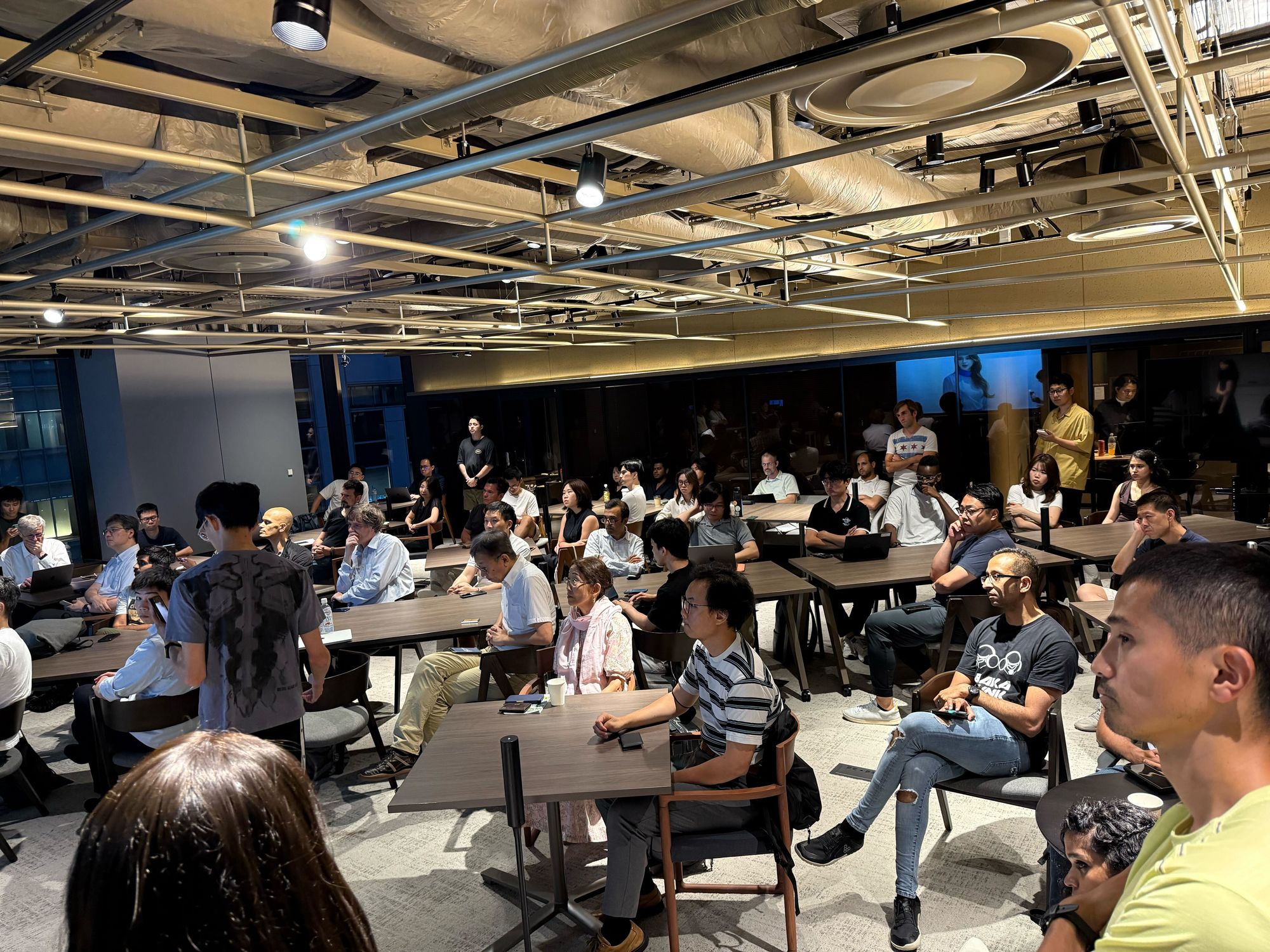
Insurance AI is useful only when its result can survive a real claims review. At Tokyo AI's AI x Insurance event, talks on agent workflows and system evaluation pointed to the same operating question: what evidence should a reviewer see before accepting an AI-assisted assessment?
Evaluate the decision, not only the model
Filippos Siozopoulos's talk on moving from lab to live distinguished tests of individual components from evaluation of the complete system. An image model may identify damage accurately while the overall process still fails because the next step uses the wrong context, a repair estimate is implausible or an exception is routed poorly. This is why a claims workflow needs both component checks and end-to-end cases that resemble real work.
The talk also compared random samples from production with targeted samples for rare error modes. Random sampling shows the normal mix of cases; targeted sampling tests the cases most likely to erode trust. A single conspicuous error can matter more to a customer or claims handler than a small change in an aggregate metric. A defensible review therefore includes examples that specialists recognize as unacceptable, not just a single accuracy number.

Give agents a bounded job
Toru Tanaka's talk described agent workflows in insurance and finance. An agent can gather material, organize a question and propose a next step, but the authority to approve a claim belongs in a defined business process. For an illustrative vehicle-damage case, the system could show the original images, identified parts, estimate assumptions and uncertainty together. A reviewer should be able to correct an item, request more evidence or escalate the case without losing the audit trail.
Before moving from pilot to live use, a claims team would test routine and unusual cases, measure review time as well as error rates, and decide who owns corrections when a model or rule changes. That connects model quality to the actual work of resolving a claim. The point is not to make every decision automatic; it is to make the evidence and the responsibility visible.
Tokyo AI is a community of builders, researchers and business leaders in Japan, run by Foundry Labs. See the event page.
Materials from Filippos Siozopoulos’s “From Lab to Live” talk are available upon request. Please use our contact form and include the event title and speaker name.
Speakers
- Filippos Siozopoulos, AI system evaluation practitioner at Tractable.
- Toru Tanaka, CEO, MILIZE.